

Safe Streets Can't Wait: Legislative Debrief + Special Session Update
What happened in the regular session, where safe streets funding stands in the special session, and how we can find the road forward

Following the failure of Oregon’s Democratic Supermajority to pass a complete package to stabilize our transportation system this past session, the Legislature will return for a special session on August 29th to sign off on a bare-bones transportation package. The governor’s proposal includes a six-cent gas tax increase, DMV taxes, and a .01% STIF increase to stave off the deepest cuts at DOTs and transit agencies statewide.
Oregonians are being asked to pay more in transportation taxes and fees but are getting very little to show for it, and nothing to protect our children and communities from traffic violence, pollution, or help families avoid the ballooning costs of driving:
No funding for extremely popular, multimodal/complete street programs including Safe Routes to Schools, Great Streets, and Oregon Community Paths.
No funding for Jurisdictional Transfers of our deadliest Orphan Highways like Powell Blvd in Portland and Hall Blvd in Tigard.
No funding to future-proof our bridges and roads for seismic resiliency or to electrify our system for climate resiliency.
No funding to increase access to e-mobility for people living on low incomes, and no policies to keep micromobility use safe, especially for youth.
No ODOT oversight or accountability to make sure that projects are prioritized correctly or delivered on-time and on-budget.
Maintaining transit funding and keeping our state roads maintained is, of course, an essential first step. But even with high numbers of deadly crashes and growing public demand for transit and alternatives to driving, critical safety and multimodal investments — including pedestrian and bike infrastructure — are not expected to be part of the August package being negotiated by the Governor and the Legislature.
Of course, we’re disappointed… who wouldn’t be to see their priority project funding allocation drop from over $1 billion to zero? But we are far from defeated. You made your voices heard throughout the 2025 session. With your unwavering support and action, we achieved greater consensus and visibility around safe streets investments and advanced micromobility safety with bipartisan support. No small feat in our chaotic political environment.
The decision to move forward without safety funding reflects difficult political tradeoffs, not a final answer. It’s a reminder that when we fight, we are able to elevate our priorities to the top of the agenda. We win when we raise our collective voice and demand a safe, complete multimodal system that works for every Oregonian, not just those who can drive cars.
The Street Trust is already turning the page to 2026. We’re working to ensure that safety and multimodal investments are center stage in the next transportation legislation that we’ll help craft in the session which starts on February 2, 2026. That’s when the next chance to demand funding for safer, more accessible, climate-resilient transportation will come. With your help, we’ll be ready.
We’ve built strong relationships, and we’re committed to working alongside legislators, agencies, and stakeholders to ensure that the next transportation package fully reflects Oregonians’ needs. We have deep relationships with community-based organizations, safety advocates, and regional leaders — and we’re ready to bring our voices to the table to demand change.
We know that when we work together, we can deliver a better future that makes safety and equity a priority, not just an afterthought. Transportation safety and access are not optional “extras.” They’re essential components of a truly modern system that serves all Oregonians. Every day without dedicated investments in sidewalks, bikeways, crossings, and multimodal infrastructure is another day we risk lives and miss opportunities to improve access to jobs, housing, and schools.
We’re ready to get to work, but first we need to look back at how we got here…
Revisiting 2025’s Context
You can read about the policy positions we came into the long legislative session with in Our 2025 Legislative Agenda. In short, we called for funding the core elements of a transportation system that meets the everyday needs of all users regardless of mode. Our vision of “the basics” is an equitable, accessible, and efficient transportation system for all Oregonians including:
Adequate funding for complete sidewalks, bikeways, trails, and programs like Safe Routes to School;
Transforming Orphan Highways into vibrant Main Streets through funding for the Great Streets program;
Ensuring everyone has access to public transit, and
Measures to improve ODOT accountability, efficiency, and transparency.
From this foundation, we made specific, prioritized asks:
$100 Million for Safe Routes to Schools - Access to education through safe walking, biking, and rolling
$230 Million for Oregon’s Bicycle and Pedestrian Network - Fill existing network gaps over 30-year period
$300 Million for Safe Systems Approach Implementation - All Roads Transportation Safety Program, Safety Audits, Reduced Speeds, Pedestrian Crossings, and Wildlife Passages
$400 Million for Great Streets & Jurisdictional Transfers - Address multiple corridor needs within a single project with holistic focus on safety, equity, and climate
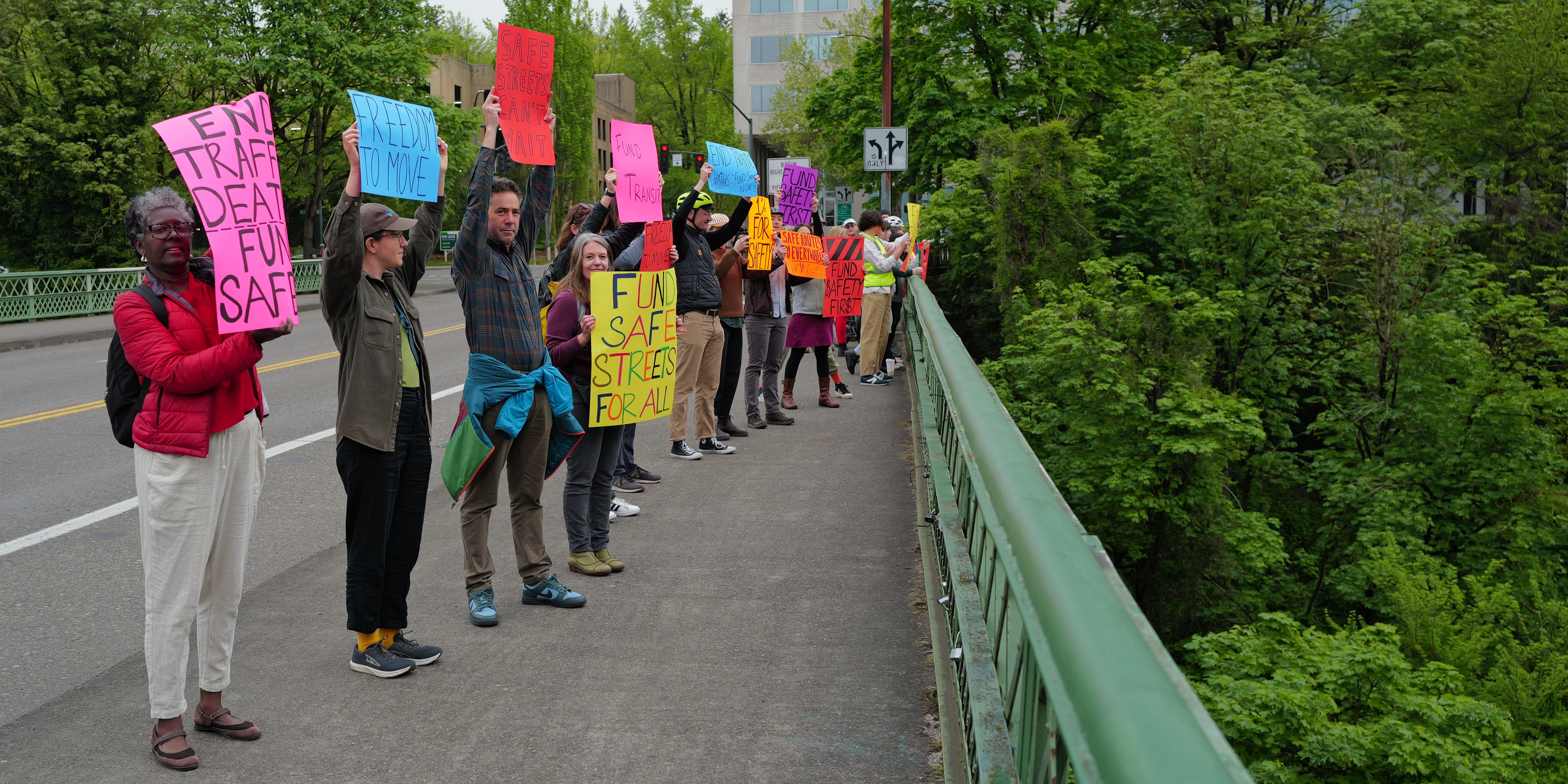
At our Oregon Active Transportation Summit (or OATS) this past April, we brought together 100s of lawmakers, advocates, and practitioners to build unity around these desperately-needed investments, as well as learn winning strategies from successful transportation campaigns in Washington and New York. Culminating in a “Fund Safety First” rally over the I-5 freeway, OATS made our communities’ demands for lifesaving safety investments loud and clear.
What Happened in Salem?
The Street Trust made substantial progress on our core priorities during the session (see the chart below). Supporting the only dedicated bike/pedestrian/safety lobbyist in the Capitol, maintaining seats on the significant transportation working groups and committees, and rallying grassroots support throughout the entire process is what lead to our success in getting historic investments in safe streets in the final proposed transportation package, HB 2025.
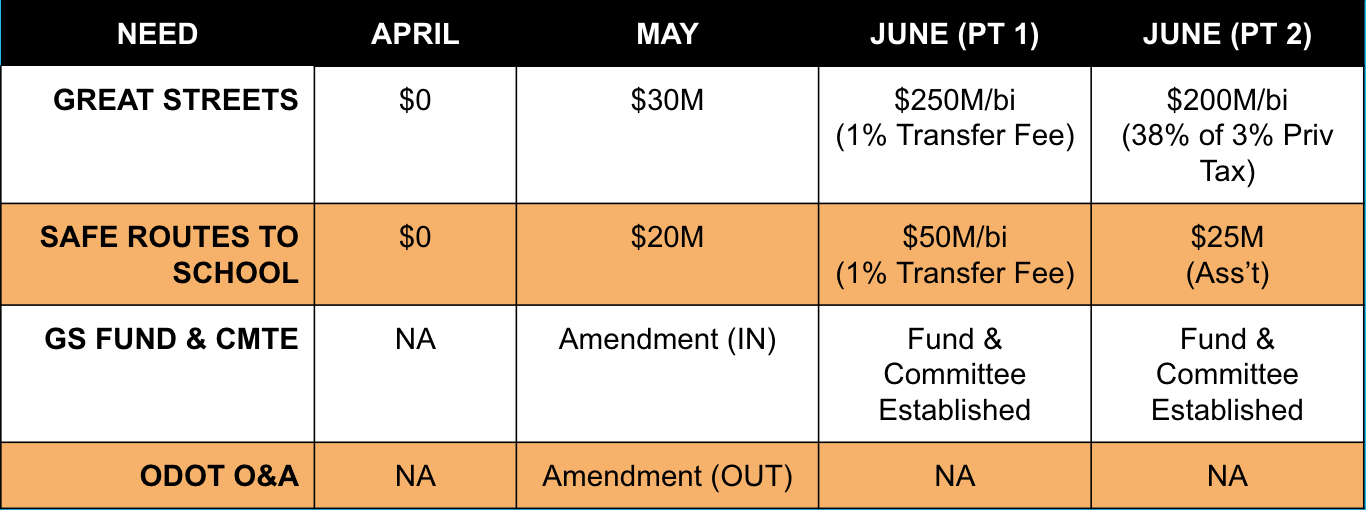
All the way until the end of June, our wins were securely a part of HB 2025. Then things started to go sideways. The package failed to get passed in any form after 18 months of a deliberative public process and stakeholder engagement across the state.
So what happened? The Democratic Supermajority fumbled the ball on the 1-yard line.
They ignored “The Oregon Way” down the stretch. All the work done over the past 18 months by hundreds of diverse stakeholders was undermined by last-minute closed-door dealings among new leadership.
The tight economy meant the transportation package’s patchwork quilt of taxes and fees was a major concern for lawmakers on both sides of the aisle. The case for the short-term cost wasn’t made clearly, so both key politicians and cost-burdened households didn’t understand or give sufficient consideration to the facts:
The cost of maintenance will only go up the longer we let problems go unfixed.
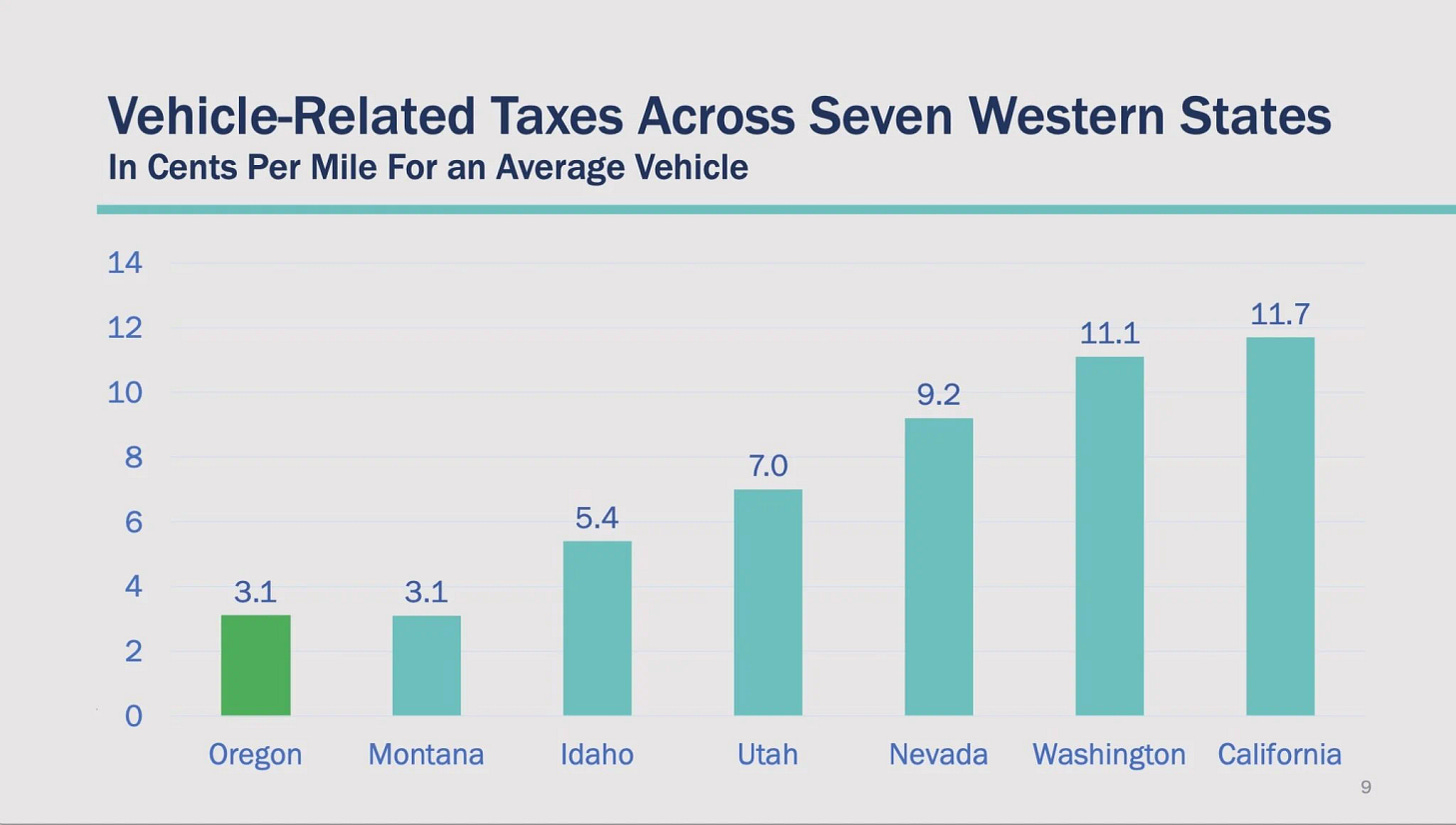
Oregonians pay the least in the seven Western States for transportation. The failure to transition to funding mechanisms like a road user charge and to increase funding is simply not sustainable for anyone.
These investments have been proven, time and time again, to have huge benefits to the economy, traffic reduction, community health, climate resilience, and to rates of traffic violence.
These factors, along with general bad feelings about the short timelines for review and passage, led to the package’s doom in the final days of the session. Since the failure of the package would necessitate extensive layoffs to county/city agencies, transit, and ODOT, Governor Kotek called for the August 29th special session.
The hard truth is that since it’s seen as an emergency package to save jobs and preserve existing transit service, it’s not expected to include funding for safety or multimodal transportation. No new dollars for sidewalks, safe crossings, or bike lanes. No dedicated funds to prevent the rising number of traffic deaths and injuries across our state. No investment in transportation options that help people get where they need to go safely, affordably, and sustainably.
It’s frustrating. It’s short-sighted. But it’s not the end of the story.
The Road Forward
The Street Trust is already pivoting toward the 2026 legislative session when we’ll have another chance to shape a transportation package that puts people first, regardless of whether they drive or not.
Although the 2025 process didn’t result in a package, we had wins that better position us for success in 2026 like: greater consensus for modernizing funding and investing in an accessible system, increased visibility for our priorities, and parity with major capital or “anchor” projects.
Through our work organizing the Oregon Micromobility Network, we also set the stage for sensible and enforceable e-bike regulations for Oregon’s future. Our short-term wins this session included stopping SB 409 through diplomacy and passing HB 3626 “E-RIDES” (Micromobility Omnibus) bill out of the Joint Transportation Committee with 10-2 bipartisan vote.
📝 Pro-tip: Sign up for the OMN mailing list here to stay up-to-date on their progress and get any urgent calls-to-action.
In 2026, we’ll take our collective power to the next level to get safe, connected streets funded. We won’t rest while parents still fear letting their kids walk to school, while elders risk their lives walking to the grocery store, or while our communities are still being traumatized by preventable crashes and deaths.
Cutting safety funding now means more funerals, more broken bodies, and more pressure on already strained health systems. We need long-term investment in crosswalks, sidewalks, and safe infrastructure to prevent injury and protect public health. So although we’re not supposed to talk about it in August, we’re never going to stop fighting to:
Fully fund Safe Routes to Schools, Great Streets, and Oregon Community Paths
Fully fund accessible public transit
Increase access to e-mobility for people living on low-incomes
Pass smart policies to keep micromobility use safe, especially for youth
Increase ODOT oversight and accountability
🎯 We’ve got the strategy. We’ve have the relationships and the experience. What we need now is your support to keep going… your gift right now helps:
Mobilize communities across Oregon to advocate for safer streets and better transit.
Educate decision-makers with real data and stories from the people most impacted by traffic crashes and lack of safe, accessible transportation.
Build the coalition needed to ensure multimodal investments are non-negotiable in 2026.
🌡️ Give now to keep the pressure on — and the vision alive. If you join as a member (giving $60 a year or signing up to give $5 a month), you’ll also get discounts, free entry to community events, and insider updates on the legislative session.
🤔 Wondering what else you can do now to keep safe streets funding top of mind for legislators? Use the tool here with safety first talking points to to send an email or leave a message for your Oregon senators and representatives and let them know you aren’t backing down on a modern, accessible transportation system for all.
With advocates and activists like you, we’ll keep fighting for a future where everyone can move safely, affordably, and freely, no matter how they get around. Thank you for standing (and rolling, biking, and walking) with us.